24 September 2026
Why bookshops still matter
For years we have talked about what technology allows us to do. We can order anything. Watch anything. Listen to anything. Talk to anyone. What we talk about less often is what we might have lost along the way.
For years we have talked about what technology allows us to do. We can order anything. Watch anything. Listen to anything. Talk to anyone.
What we talk about less often is what we might have lost along the way.
Many of the informal places where communities used to gather have disappeared or changed beyond recognition. We work remotely. We socialise online. We spend more of our leisure time looking at screens than we probably realise. Engineered loneliness.
Convenience has improved dramatically. Connection is perhaps a little more complicated.
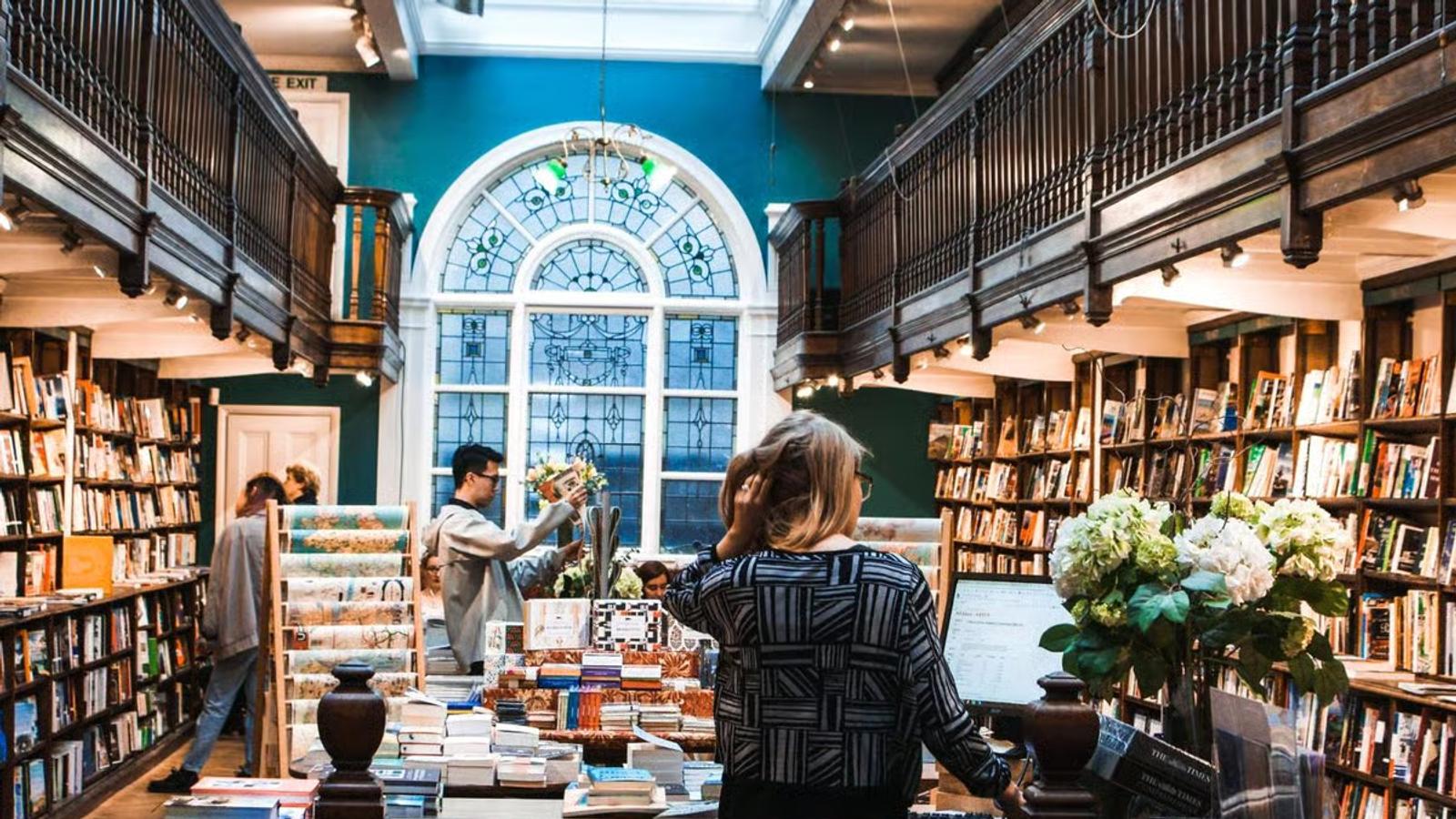
Maybe that helps explain why independent bookshops continue to resonate. A good bookshop offers something that cannot be packaged into a cardboard box and left on a doorstep.
It offers the possibility of surprise.
A conversation with a bookseller.
An author you've never heard of.
A recommendation from another reader.
A chance encounter with an idea that changes your perspective.
Those things are difficult to measure. They certainly don't fit neatly into a spreadsheet. Yet they are often the moments we remember.
Perhaps the revival of independent bookshops isn't really a story about books at all. Perhaps it's a story about people.
A reminder that despite all the technology available to us, we still value places that feel human. We still seek out experiences that are shared rather than personalised. We still enjoy discovering things together.
Books may bring people through the door. But increasingly, I suspect it's connection that encourages them to stay. And maybe that's the real lesson from the resurgence of Britain's independent bookshops. People don't just need books.
They need bookshops.