23 July 2026
The Man Who Planted Trees
Maybe that’s all any of us can hope to do: plant a few good seeds and trust that someone, someday, will enjoy the shade.
I’m by my car in North West Scotland overlooking a beautifully wild landscape. It’s somewhere I have been coming for the last 40 years, with connections to family and abundant with memories. The landscape is beautiful but barren. Heather, ferns, moss covered rocks and fresh water lochs dotted around the undulating terrain. On a ridge in front of me I can see the beginnings of a woodland. Young trees closely clumped together. If I were to walk closer I would see them surrounded by a fence – there to protect the saplings from becoming a snack for the numerous deer that roam the hills.
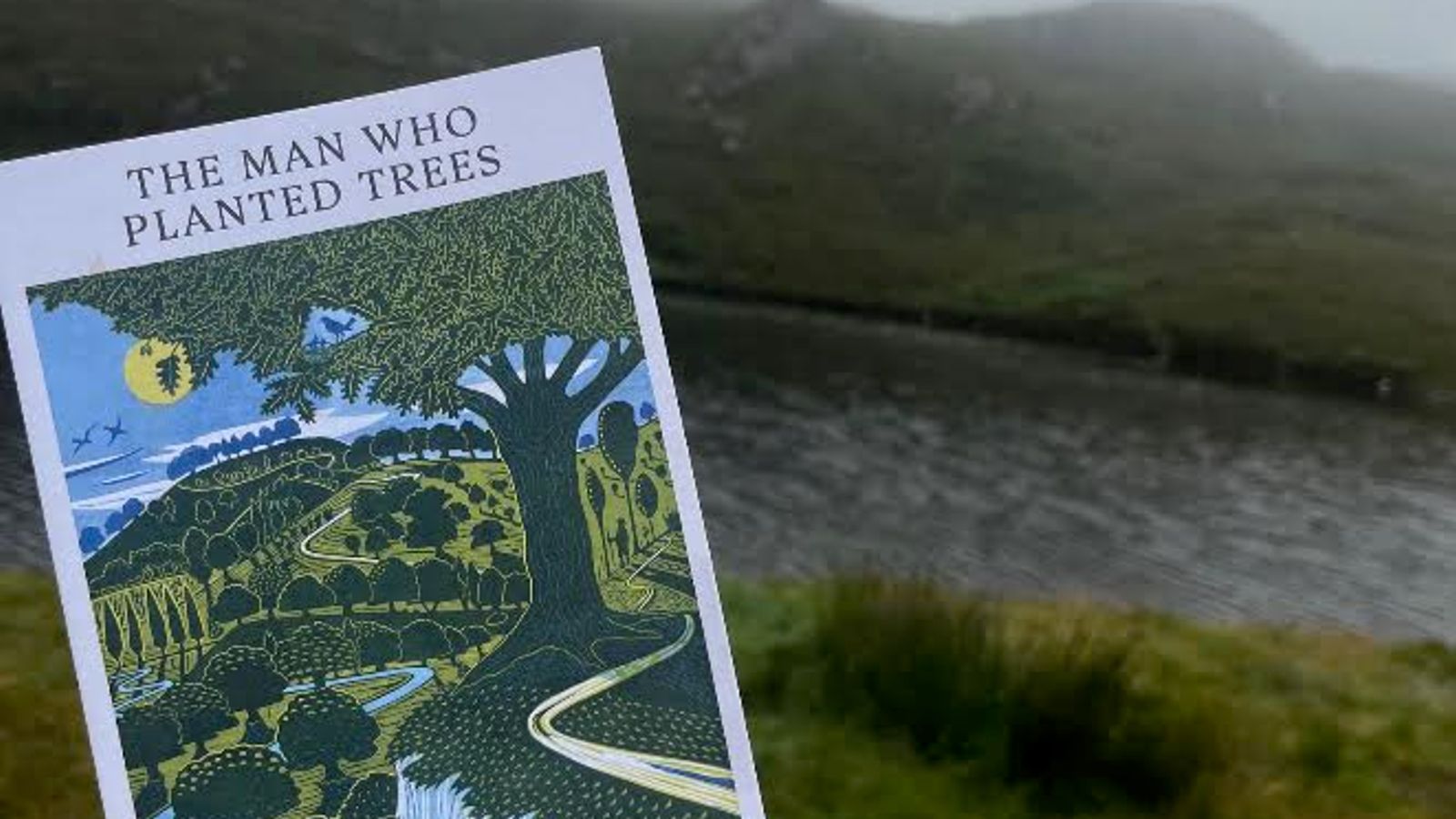
The small woodland I can see is part of a part of a planned woodland regeneration programme – aimed at returning this part of the world to the patchwork of forests that existed here a few hundred years ago (before the need for fuel, the introduction of sheep farming and the stocking of the area with deer for sport combined to make it very difficult for new saplings to establish). Coincidentally, I am reading The Man Who Planted Trees by Jean Giono. It’s a short story/essay about a peasant farmer/shepherd in isolated valleys in Provence who over a number of years takes it upon himself to plant hundreds of thousands of trees (mainly Oak and Ash). Slowly the environment responds – and what were similarly barren valleys to those in Scotland become lush verdant nature filled landscapes. Streams began to flow again. Plants re-appeared that had long been forgotten. Animals re-established themselves. Humans returned, the environment now welcoming.
It makes me think of the importance of small, but persistent acts. The sort of thing that you know deep down will make a difference, but perhaps that difference will really only emerge many years in the future – perhaps even after you are gone. These acts don’t have to just be about planting trees, they could be about building stronger human connections or passing on some knowledge that might otherwise have been lost. Perhaps that’s why this story feels so at home here. As I look across the hillside, those young trees are barely noticeable against the vastness of the landscape. They certainly don’t look like a forest. But neither did the first acorns scattered by Giono’s shepherd.
It’s easy to underestimate the things that begin quietly. A sapling. A conversation over tea. A book passed from one pair of hands to another. They rarely change the world overnight. Given enough time, though, they have a habit of changing the places—and the people—they touch.
Maybe that’s all any of us can hope to do: plant a few good seeds and trust that someone, someday, will enjoy the shade.