17 July 2026
Connecting over a cuppa
The first cup, you're a stranger. The second cup, you're a friend. The third cup, you're family.
There is an old saying, shared in different forms across many cultures:
The first cup, you're a stranger. The second cup, you're a friend. The third cup, you're family.
Whether those exact words originated in China, Turkey, the Middle East or elsewhere almost doesn't matter. Like all good sayings, it has travelled. It has been borrowed, adapted and passed from one table to another. Fittingly, it is itself a story about how stories are shared.
At its heart lies a simple truth: connection rarely happens all at once.
It grows. One conversation becomes two. Familiar faces become familiar names. A neighbour becomes someone you stop to chat with. A recommendation becomes a shared favourite book. A cup of tea becomes an hour you hadn't planned to spend. In a world that often seems to reward speed, there is something quietly radical about taking the time to sit with another person.
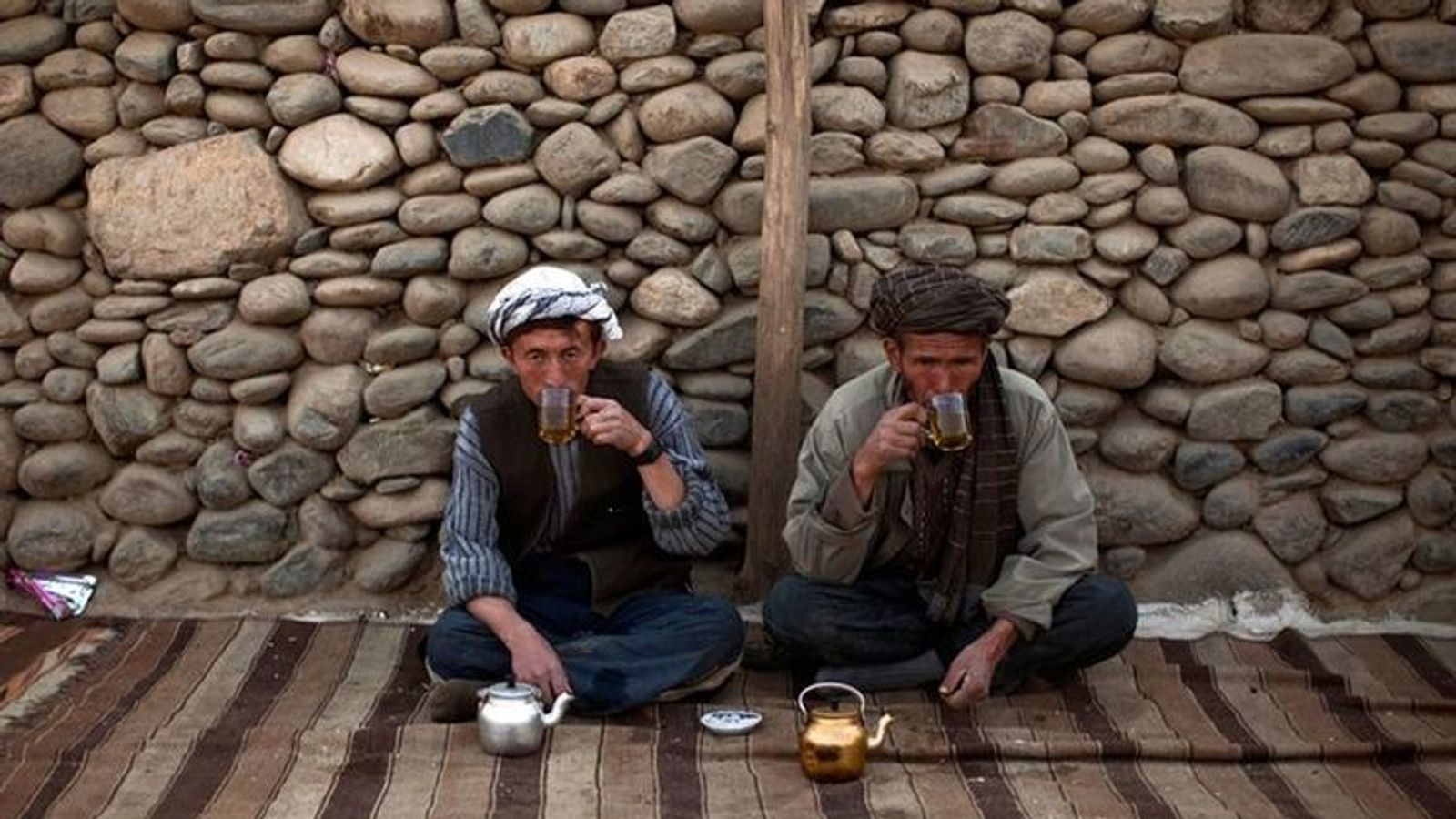
For centuries, tea has been one of humanity's great social rituals. Across continents and cultures it has been prepared differently, flavoured differently and served in different vessels, yet its purpose has remained remarkably consistent. Tea creates space. It slows the pace just enough for conversation to find its rhythm. You don't need to agree on politics, football, religion or music to share a pot of tea. You simply need to share a table.
Perhaps that's why almost every culture has developed its own version of the ritual. Afternoon tea in Britain. Mint tea in Morocco. Chai in India. Matcha in Japan. Yerba mate in South America. Different leaves. Different traditions. The same invitation.
Sit. Stay a while.
It's an invitation that feels increasingly valuable today.
Much has been written about the disappearance of what sociologists call third spaces – those places that are neither home nor work, where communities naturally gather. The local café. The library. The village hall. The independent bookshop. Places where conversations begin without appointments and friendships grow without anyone really noticing.
As more of life moves online, these spaces have become more precious than ever.
We can message hundreds of people without truly speaking to anyone. We can know what someone had for breakfast without knowing how they're actually feeling. We are more connected technologically than at any point in history, yet many people describe feeling increasingly isolated.
The answer isn't abandoning technology altogether. It might simply be making a little more room for the moments that technology can never quite replace.
At Literatea, we find ourselves returning to this idea again and again. Not because we believe tea has magical powers, or because books alone can solve loneliness. They can't. But both have an extraordinary ability to give people permission to slow down.
A book gives people something worth talking about.
A cup of tea gives them the time to talk about it.
Perhaps that's why the two have always felt like natural companions.
As we build the spaces we imagine, we hope they'll become somewhere people arrive for many different reasons. Some will come for a recommendation. Others for a quiet hour alone. Some will meet old friends. Others might meet new ones. And if, somewhere along the way, a stranger becomes a friend, or a friend begins to feel like family, we'll know we've created something worthwhile.
After all, every good story begins with someone saying hello.
Sometimes, it also begins with someone putting the kettle on.